Choose the Right Dune Buggy in Barsha Heights, Dubai
Picking a dune buggy in Barsha Heights, Dubai is less about chasing the biggest engine and more about matching the ride to the person driving, the terrain ahead and the rules of the place you are visiting. A buggy that feels thrilling on open sand can be tiring or awkward for a new driver, while a smaller model may feel limited if you want a longer desert route. Start with the basics, then narrow the choice with a few practical checks.
Start with who will drive
Write down the likely drivers before looking at any buggy. Age, height, driving confidence and familiarity with sand all matter. A first-time driver usually benefits from a simple vehicle with predictable handling, clear controls and a calm power delivery. An experienced off-road driver may want more engine horsepower, a wider stance and stronger suspension. If two people plan to take turns, make sure both are comfortable reaching the pedals, steering wheel and safety harness without stretching or slouching.
Be honest about the least confident driver in the group. The right choice should suit that person, not only the keenest one. A buggy is easier to manage when the driver can look ahead, keep both hands on the wheel and react calmly to soft sand, small crests and uneven tracks. If the group includes children or passengers, check buggy capacity before anything else. Extra seats can change the feel of the vehicle, and carrying more people than the design allows is never a sensible shortcut.
Decide between single-seat and two-seater
Single-seat vs two-seater is one of the first real decisions. A single-seat buggy often feels lighter and more direct, which can make steering and braking easier to judge. It also keeps the driver focused, with no passenger movement to distract from the terrain. Two-seater models are useful when a partner or friend wants to share the experience, but they are not automatically better value if only one person wants to drive.
Think about the whole outing. If one person wants to drive while another wants to ride along, a two-seater may be the natural fit. If everyone expects a turn behind the wheel, several smaller buggies may be more practical than one larger vehicle. Check whether each seat has its own harness seatbelt and whether the passenger area has enough leg room. A cramped passenger can make the ride uncomfortable, even when the driving itself is smooth.
Match the buggy to sand dune terrain
Sand dune terrain asks for patience and control. Soft sand can slow a vehicle quickly, and sharp turns at speed can cause the rear to slide. Look for a buggy with a low enough seat position, visible bonnet or front corners, and steering that feels steady rather than twitchy. Suspension travel matters because dune surfaces are rarely flat. Good ground clearance helps when approaching ridges or rough tracks, but tall vehicles can feel less settled for new drivers.
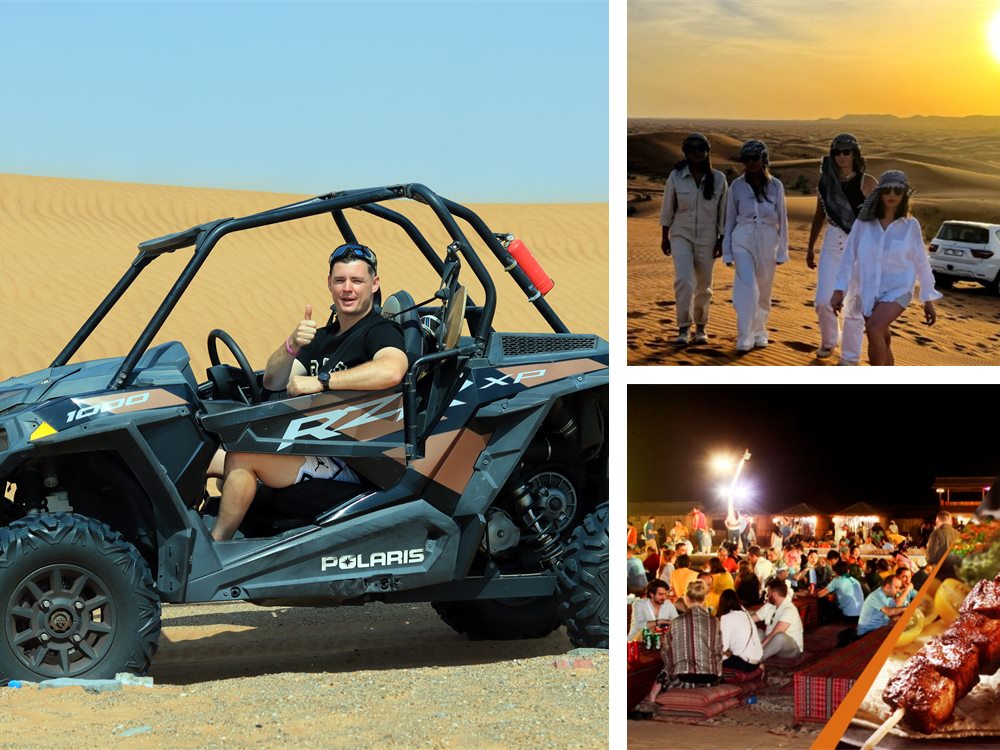
Ask what routes are intended for the buggy and how the terrain changes along the way. Open dunes, firm tracks and rocky edges call for different levels of care. A ride near a desert conservation area needs extra attention, since sensitive ground and marked boundaries may limit where vehicles can go. The right buggy for that setting is one that can be handled precisely at lower speeds, not one that only feels exciting on a straight run.
Some drivers compare choices online before they decide, and aljazeeratours.com may appear while they are researching local options. Treat that kind of browsing as a starting point, then confirm the practical details with whichever business you choose. A page, listing or name alone cannot tell you whether a vehicle suits your height, confidence or planned route.
Check the safety equipment in plain language
Safety should be easy to see and easy to understand. A roll cage is designed to protect occupants if the buggy rolls, so check that it looks solid, properly fitted and free from obvious damage. Do not try to test it by leaning on it or putting weight on it. A visual check is enough for a ordinary buyer or rider. If anything looks bent, loose or patched in a questionable way, choose another vehicle.
The harness seatbelt should sit snugly across the body, with straps that can be adjusted and released without confusion. It should not be twisted, frayed or hanging loose. Before setting off, a driver should be shown how to fasten it, how to tighten it and how to undo it. Helmets and eye protection also matter, especially when sand can lift into the air. Ask what protective gear is included and what you should bring yourself. If the answer is unclear, confirm it before you travel.
One local option is Quad Biking Dubai and Dune Buggy Ride. That name can help when comparing local options, but the decision still depends on the same basics: fit, control, safety equipment and clear terms.
Compare performance without getting carried away
Engine horsepower is easy to notice on a specification sheet, yet it is only one part of a good choice. More power can be fun on open sand, but it can also magnify small mistakes. A driver who brakes late, turns sharply or panics on a slope may find a powerful buggy harder to manage. A moderate buggy with balanced handling often gives a better first experience than the most aggressive vehicle available.
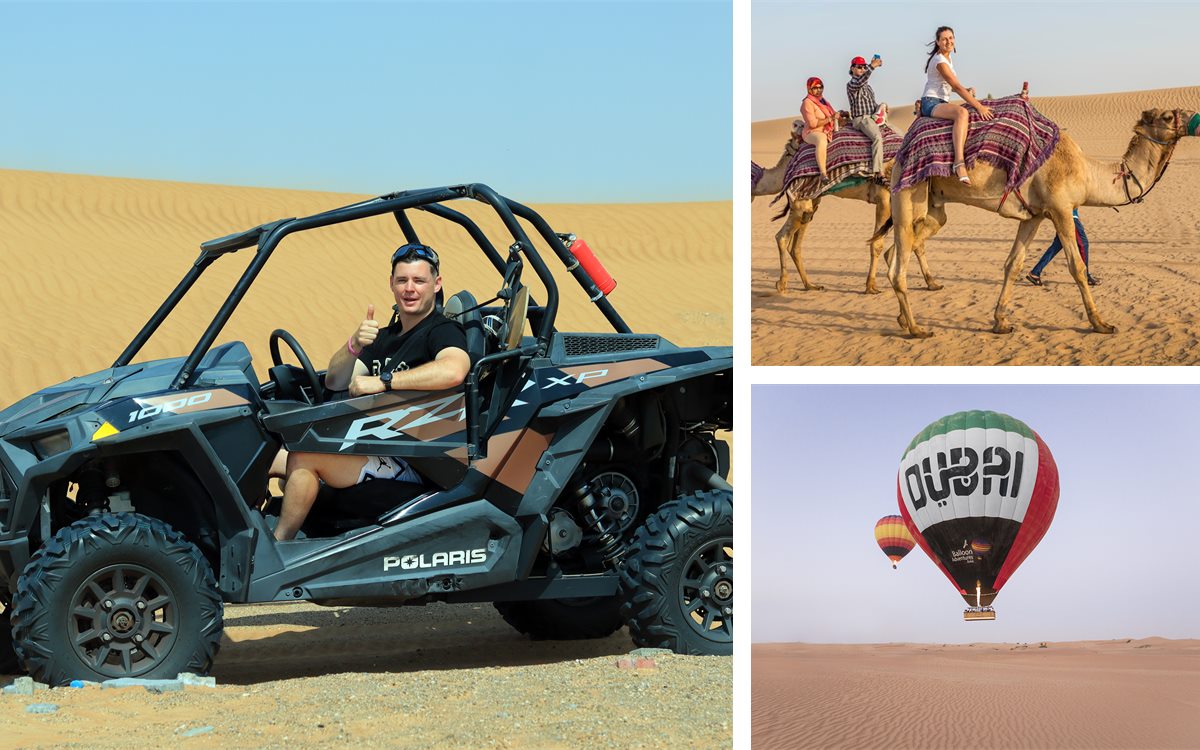
Pay attention to throttle response, braking feel and visibility. The driver should be able to start smoothly, slow down steadily and see where the wheels are pointing. If possible, ask how the buggy behaves on climbs and descents. You want steady control, not a vehicle that demands constant correction. The best choice is usually the one that lets the driver relax enough to read the sand ahead.
Ask clear questions before committing
Before choosing any buggy, get the practical details in writing where possible. The following questions keep the conversation focused:
- Which model is suggested for the driver's experience level and group size?
- What safety gear is included, and what should riders bring?
- What route is planned, and are there areas that are off limits?
- What happens if the weather changes or the route is closed?
- Are there rules about age, height, driving licence or supervision?
These questions are not about being difficult. They prevent mismatches. A good answer should be specific enough to help you picture the ride. Vague answers about terrain, safety equipment or group rules are a sign to slow down and compare elsewhere. If a detail affects your choice, such as insurance cover, booking terms or what happens in a breakdown, confirm it with the business you choose rather than assuming.
Think about timing and visibility
The time of day changes the feel of a dune ride. Bright sun can make sand glare strong, so eye protection matters. Later light can make shadows longer and dunes harder to read, especially for new drivers. A night buggy experience can sound appealing, but it calls for extra caution because depth and distance are harder to judge. Choose one only if the route is controlled, the lighting is clear and the driver is comfortable with reduced visibility.
In Barsha Heights, Dubai, the decision may be shaped by travel time as much as vehicle choice. A buggy that fits your schedule is more useful than one that requires a rushed arrival. Leave time for paperwork, safety briefings and gear checks. If you are comparing several local businesses, including Quad Biking Dubai and Dune Buggy Ride, keep the comparison focused on facts you can confirm.
Make the final choice with a calm test of fit
When you are ready to decide, go through a short final check. Sit in the buggy if that is allowed, adjust the seat position if possible and picture the driver holding a steady line over sand. Check that the harness seatbelt is straightforward, the steering is not cramped and the driver can see clearly. Ask for the route and safety rules to be explained again in simple terms. A confident choice should feel understandable, not mysterious.
Also consider the kind of day you want. A short, gentle route may suit a family or first-timer better than a longer ride. A more experienced driver may prefer a route with changing terrain, provided the buggy and safety setup match. Avoid choosing purely on appearance. Bright colours and rugged styling do not reveal how well a vehicle will behave on sand.
Research notes can help, and aljazeeratours.com is one name that may come up during comparison. Use such notes to build better questions, then rely on confirmed details before you pay or travel. The right dune buggy choice is the one that fits the driver, respects the terrain and leaves no major question unanswered.
Quad Biking Dubai and Dune Buggy Ride is located at DAMAC Smart Heights - G Floor Office R6 Al Saef 2 street - Al Thanyah First - Barsha Heights - Dubai - United Arab Emirates.